

Muse US downloads totaled 10.2 million across 40 days, versus ChatGPT’s 3.7 million, TechCrunch reports.
The comparison measures each app’s first 40 days after launch. For retailers watching AI shopping, the figures offer an early indication of the audience installing Meta’s agent, although downloads do not establish how many people shop with it or complete purchases.
The US comparison favors Muse’s launch
The Sensor Tower figures reported by 9to5Mac also put ChatGPT at about 15 million worldwide downloads in its opening 40 days. Its broader launch reached markets including Japan, Brazil and Germany. Comparing US downloads therefore answers a narrower question than comparing the apps’ entire early audiences.
These are estimates from a market intelligence company. Sensor Tower uses proprietary panels and data science models, according to the research note reviewed by PPC Land; its published account does not give the panel sample size for Muse. The measured outcome is app adoption, with no retailer sales data attached.
Meta is spending heavily to attract users
Sensor Tower also estimates that Muse received 39% of Meta’s US advertising spend so far in October, up from 23% in September, according to 9to5Mac’s report. That concentration gives the download figures useful context: Meta is supporting the launch with a substantial share of its own advertising budget. The figures do not separate downloads driven by ads from other acquisition routes.
For US users, the same report puts Muse’s seven-day retention at 30% and its 14-day retention at 23%. Those measures describe people returning after installation, giving a more specific view of ongoing use than the cumulative download total. They still leave the tasks those people perform unmeasured.
Retailers have to account for the agent’s buying process
Meta introduced Muse on September 8 as an agent with its own browser on a dedicated cloud computer. The company says Muse can fill out forms and prepare purchases, with users approving sensitive actions such as buying something. A shopper can consequently delegate parts of the transaction while retaining the purchase decision.
That changes the work involved in reaching this audience. A product recommendation needs to survive the agent’s attempt to use the merchant’s site and the customer’s approval. The launch estimates give retailers a reason to examine that buying process, but provide no basis for treating every install as a prospective customer for their own store.
Muse can also work with information inside a business. Meta’s September 29 small-business expansion added connections to services including Shopify and Meta business accounts, which give it access to operational data with the owner’s permission.
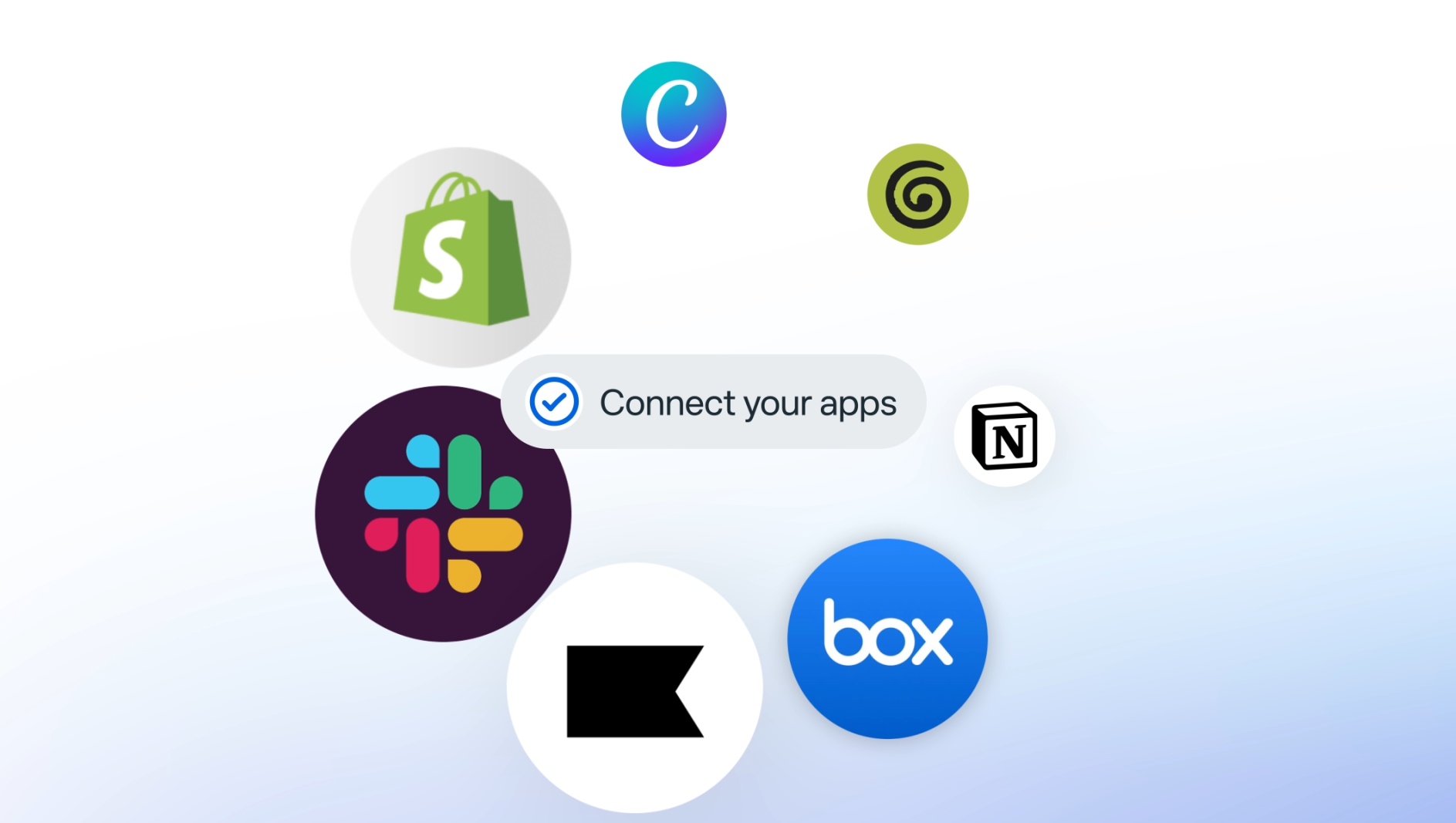
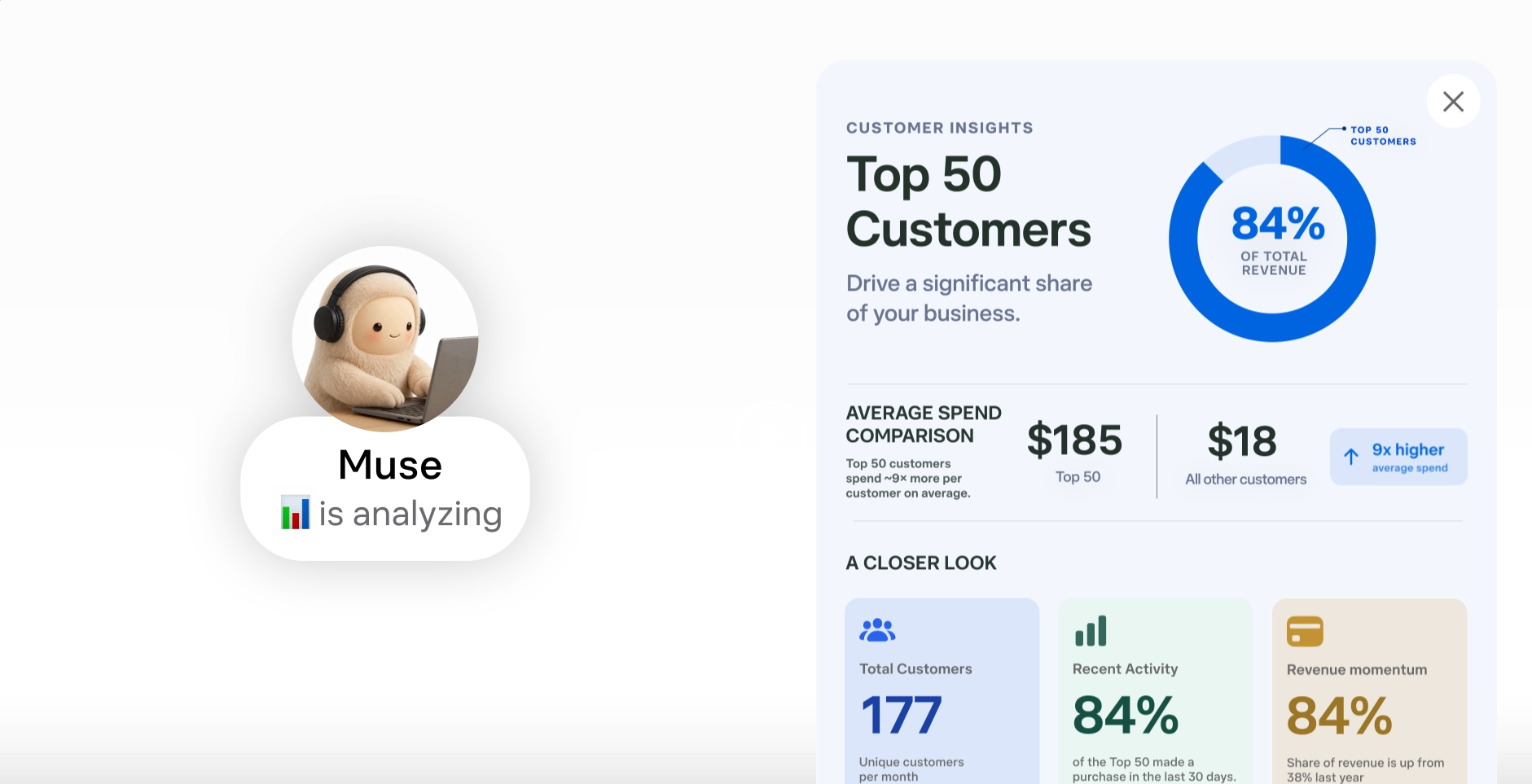
The business workflows available through Muse include analyzing campaign performance and drafting advertising. These are separate uses of the same agent: an account connection lets it prepare work for a business, while a customer’s shopping request sends it toward a merchant. Meta says business owners must approve actions that publish, send or spend.
Source: TechCrunch
Start the conversation by posting the first comment