


Microsoft Ads can receive sales and lead records directly from your business systems through its Conversions API, which is now generally available. The connection gives advertisers another way to measure activity that browser tracking can miss.
In its October 28 announcement, Microsoft says the service connects websites, apps, customer databases and in-store payment systems to its advertising platform. You can set it up directly, through Google Tag Manager or with an integration partner.
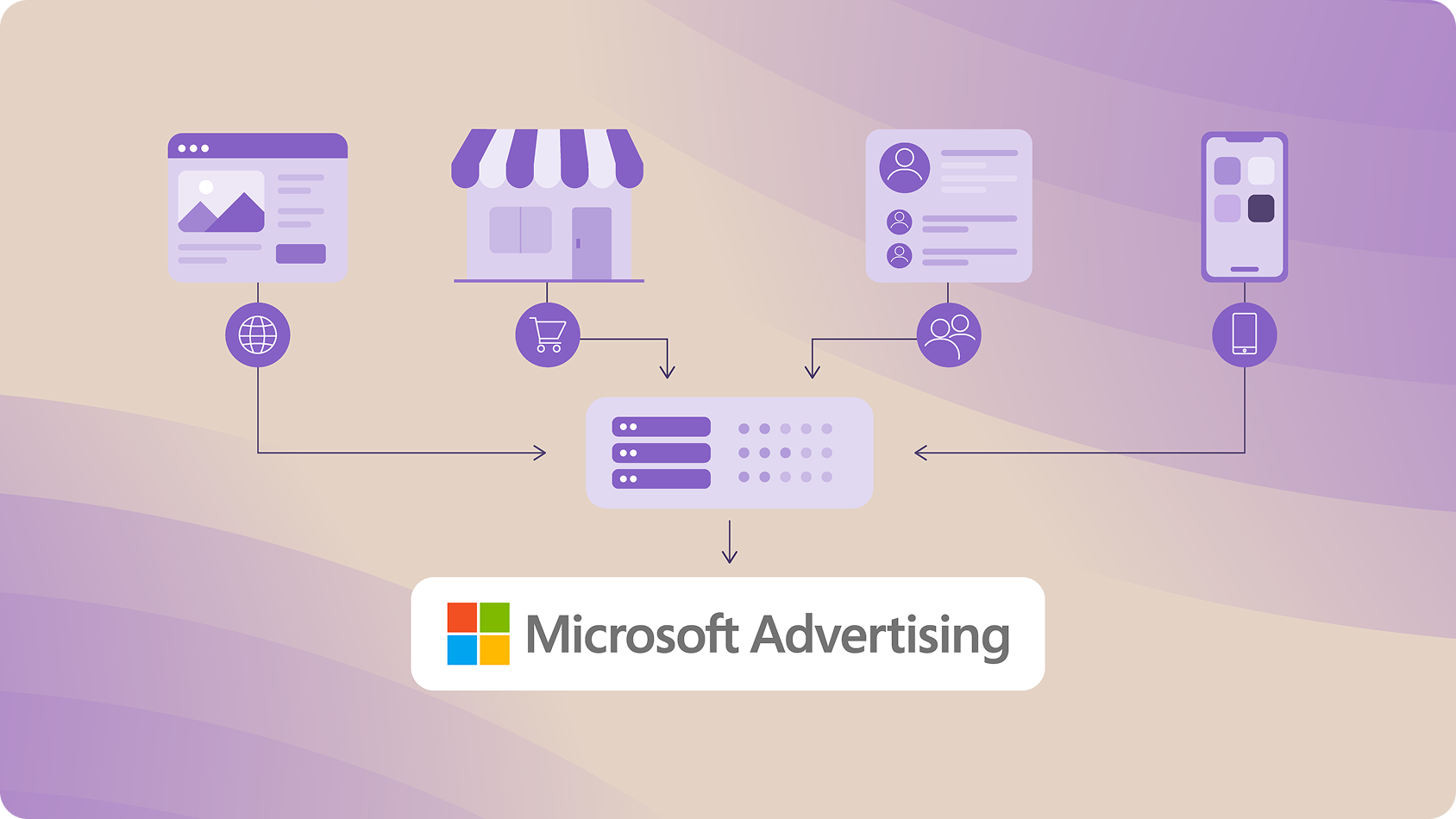
That opens a path for records your business already holds, such as a shop transaction or a lead that becomes a sale in your customer database. Those records can help fill gaps between what your business sold and what your ads report.

Keep the browser tag and add the sales records
Microsoft recommends using Conversions API alongside its Universal Event Tracking tag, or UET. The tag captures browser activity and page context, while the API sends events from your server.
Combining those sources creates a practical problem: the same purchase can arrive twice. Microsoft’s setup guide says both routes should use the same UET tag ID, event ID and event name so it can recognize duplicate events.
For example, a purchase recorded at checkout and then sent from your order system needs a shared identity. Giving each copy a fresh event ID defeats that matching process.
Google has also documented a way to supplement website tags with customer records. Its setup uses transaction IDs within a conversion action. Teams using both platforms need to follow each platform’s matching rules.
Check what happens when a customer says no
Microsoft’s API defaults to granted advertising consent. Your integration needs to pass the denied value when appropriate. Microsoft says it excludes events marked as denied from advertising uses, including attribution and retargeting.
A successful server response also does not prove that a conversion appeared in your reports. Microsoft says attribution still depends on factors including matching identifiers and your conversion-goal rules.
Before relying on a higher conversion total, trace a known sale through the setup. Check that it counts once and carries the right consent choice. Recovering a missing record improves your measurement. It does not, by itself, mean the campaign generated another customer.
Source: Microsoft
Start the conversation by posting the first comment