

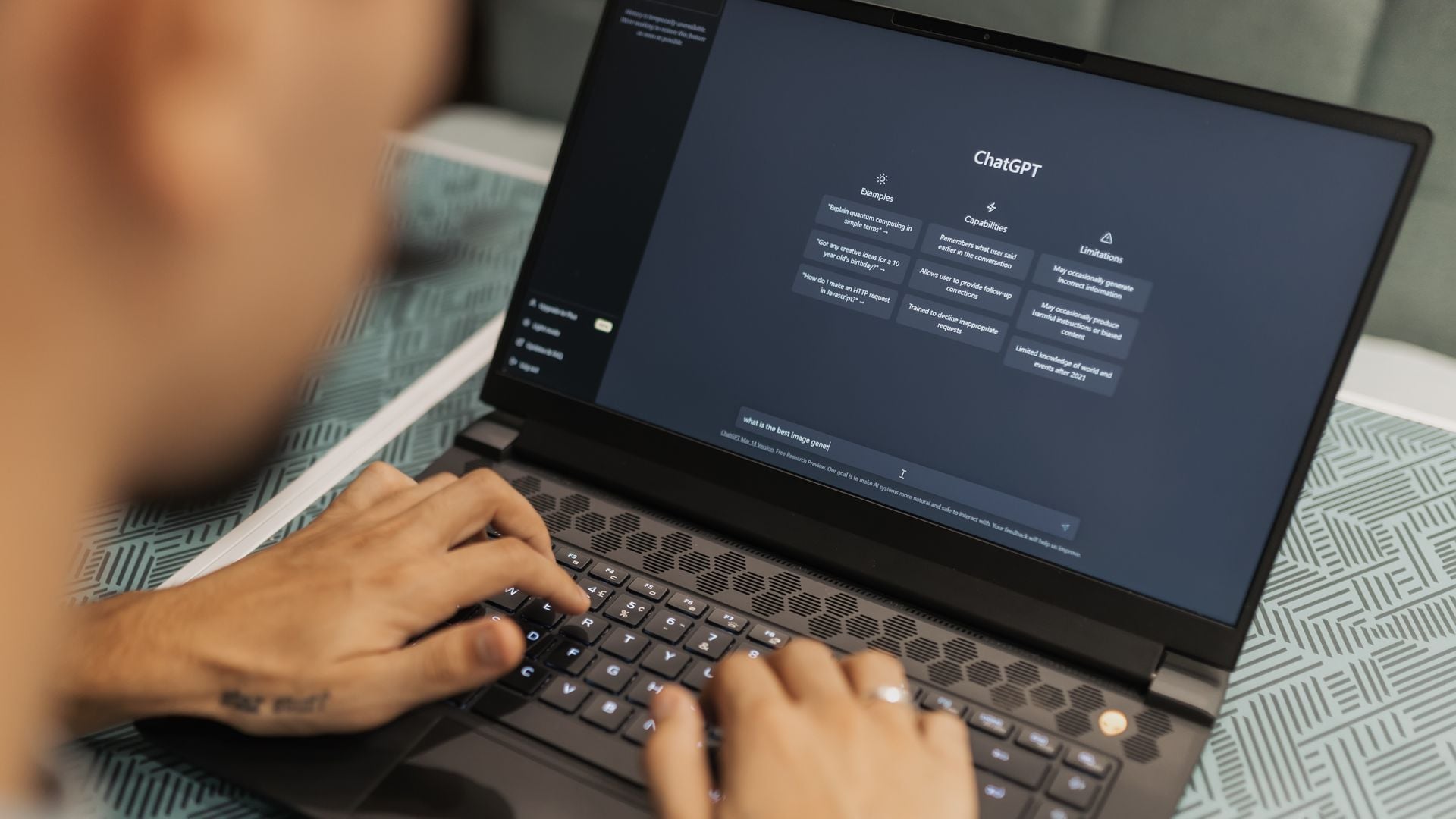
OpenAI has launched a beta that lets you claim your business in ChatGPT, update its information and track mentions and clicks to your website through a dashboard called Business Hub.
The company announced Businesses in ChatGPT on November 10, saying ChatGPT now reaches 1.2 billion people each week. Eligible US ecommerce and online service businesses can also create an AI agent that answers customers’ questions inside ChatGPT.
You can claim your business once you prove you’re authorized to manage it
OpenAI says eligible businesses can claim a profile wherever ChatGPT is available. Its setup guidance adds that access depends on location, business type and supported verification. Local stores and restaurants can currently claim only an existing US listing.
You start by finding your business in Business Hub and verifying your connection to it. OpenAI also requires approved identity verification through Persona before you can publish business changes, view insights or create an eligible agent.
Once verified, you can update key business details and supply product feeds with prices and availability. Shopify merchants can connect their stores through Business Hub or Shopify’s admin, while eligible Shopify products already reach ChatGPT through Shopify Catalog.
OpenAI reviews changes before publishing them, and updates can take time to reach profiles or answers.
The dashboard shows how people find your business before they reach your site
Business Hub reports mentions and website clicks. It also groups the themes from conversations where your website is cited into discovery topics.
The figures cover the past 28 days. For online businesses, a mention requires a reference to the website. For local businesses, showing a result for the location counts. A brand name appearing on its own falls outside the online-business measure.
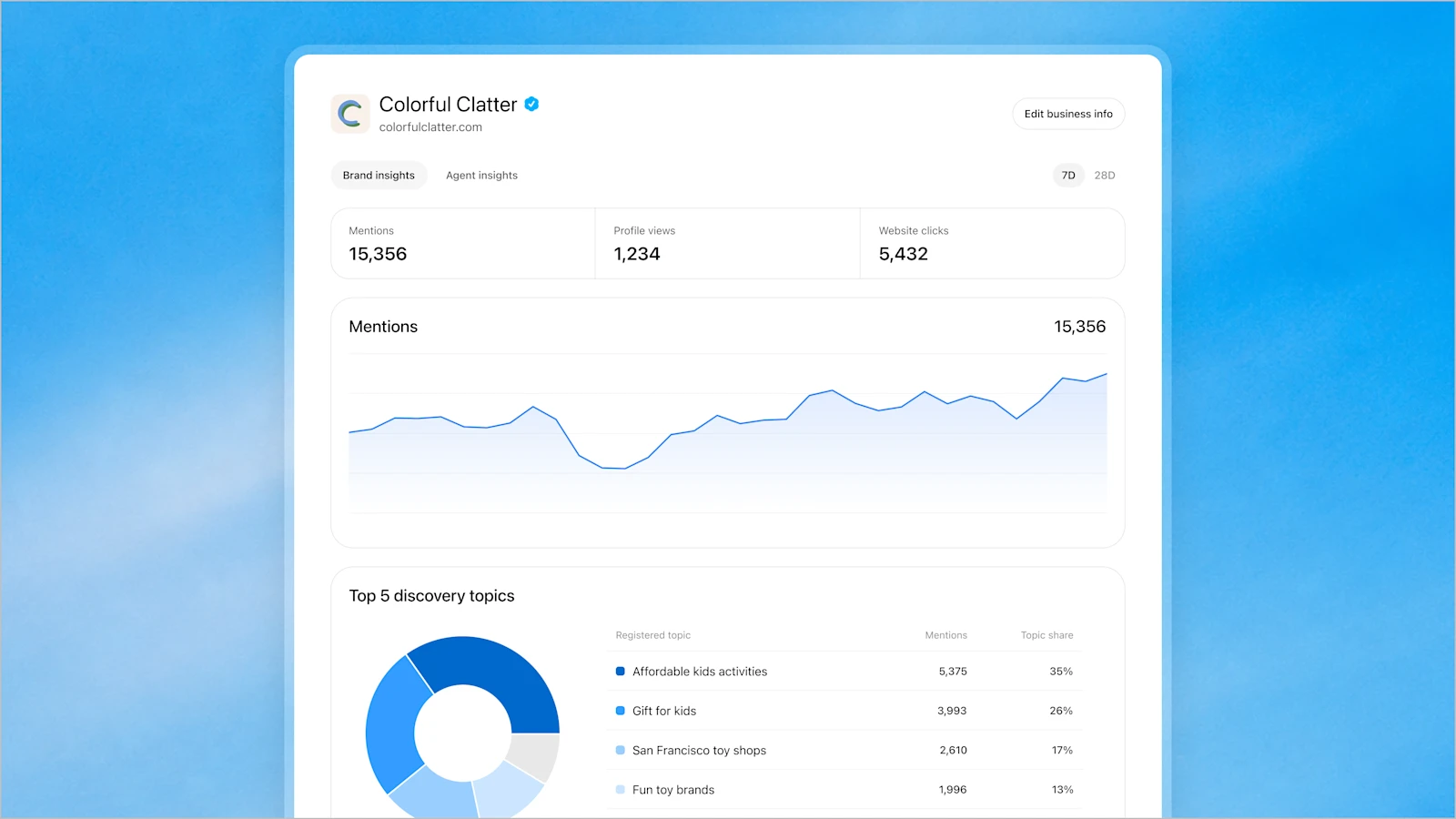
You can compare the click count with your website’s analytics when investigating attribution gaps. SEW’s October reporting on ChatGPT visits appearing as Direct traffic showed how visits could lose their source information. Business Hub adds a record from the platform sending those clicks.
OpenAI says reporting can be incomplete. A blank figure can reflect reporting thresholds, data collection still underway or unavailable reporting.
“We don’t share users’ conversations or Business Agent chats with businesses,” OpenAI said.
Eligible US businesses can answer shoppers’ questions through their own agent
A Business Agent uses information supplied by the business to answer questions about its offerings. When someone opens a business profile from a ChatGPT answer, they can choose to chat with its agent, if one is available.
For example, a shopper comparing two products could ask the agent about their features and which one fits their needs. OpenAI says these conversations are clearly labeled as chats with the business.
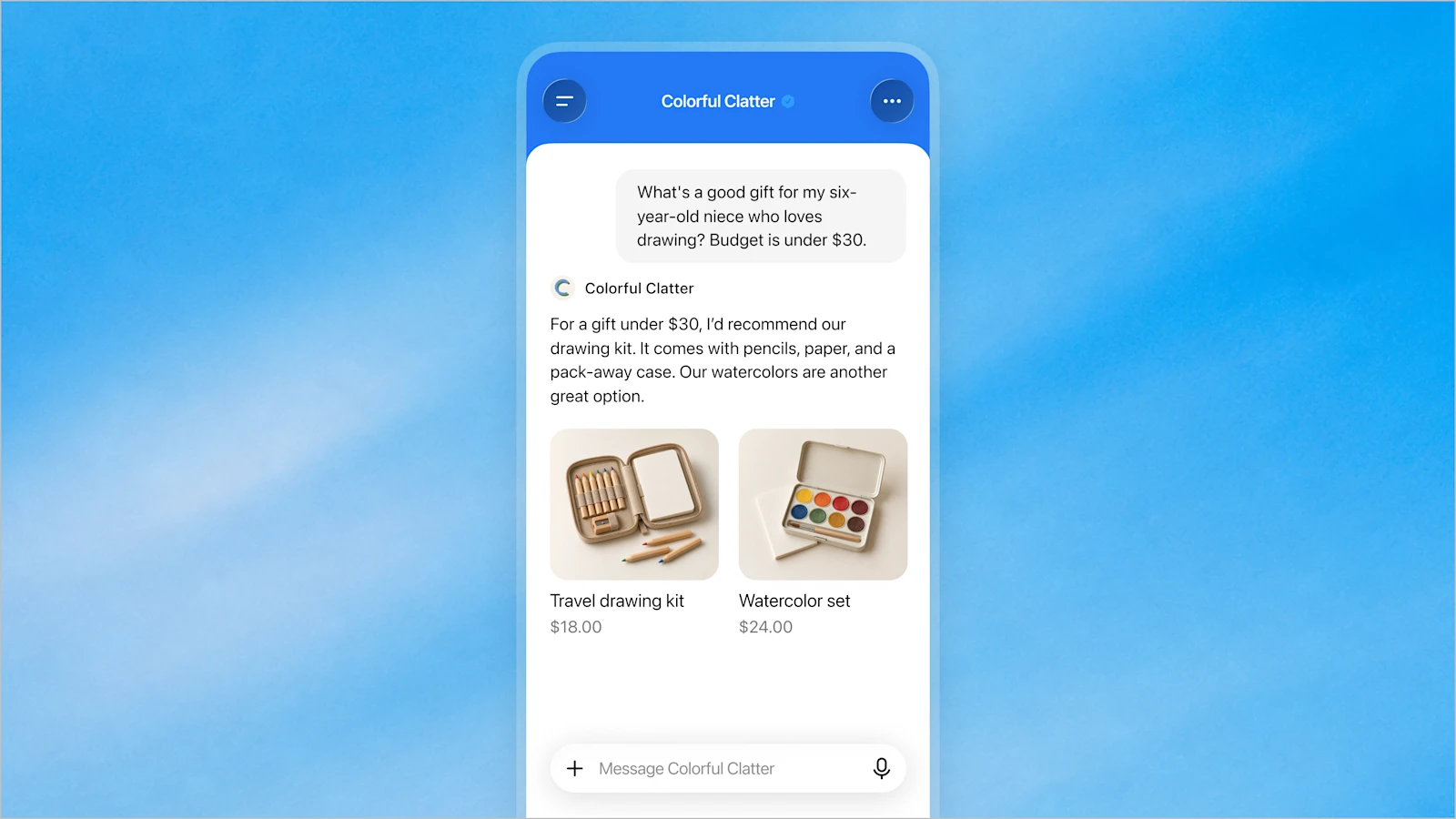
Businesses can test their agent before launching it. OpenAI’s Business Agents Policy requires accurate product information and clear disclosure that AI is representing the business. Access also depends on the business category and the agent’s intended use.
Customers complete purchases, bookings and order checks on the business’s website. The current agents explain products and policies and provide links that take customers there.
OpenAI also lets businesses sponsor an agent and use it as the destination for ChatGPT ads. That gives an advertiser a way to answer follow-up product questions inside ChatGPT before a customer visits its website.
Source: OpenAI
Start the conversation by posting the first comment