

An internal Amazon proposal describes a product database designed to keep shoppers from turning to Google, brand websites and review sites for answers. It would cover products Amazon sells and products available elsewhere.
Reuters reported on November 13 that the proposed World Product Graph would combine information supplied by brands with data gathered by crawling other retailers’ websites.
Amazon told Reuters the document was an outdated brainstorming proposal that “doesn’t necessarily reflect our current plans.” Reuters could not confirm whether or when the project would launch.
The memo describes a bigger role for Amazon in product research
The memo sets out a more detailed picture of how products relate to each other, including model differences and which option suits a shopper. It carries an aspirational October 1, 2027 release date.
That would put more of the comparison work inside Amazon. For a retailer, the potential shift starts before checkout, when a shopper decides which features, versions and brands to consider.
Amazon already accepts product catalogs from stores across the web
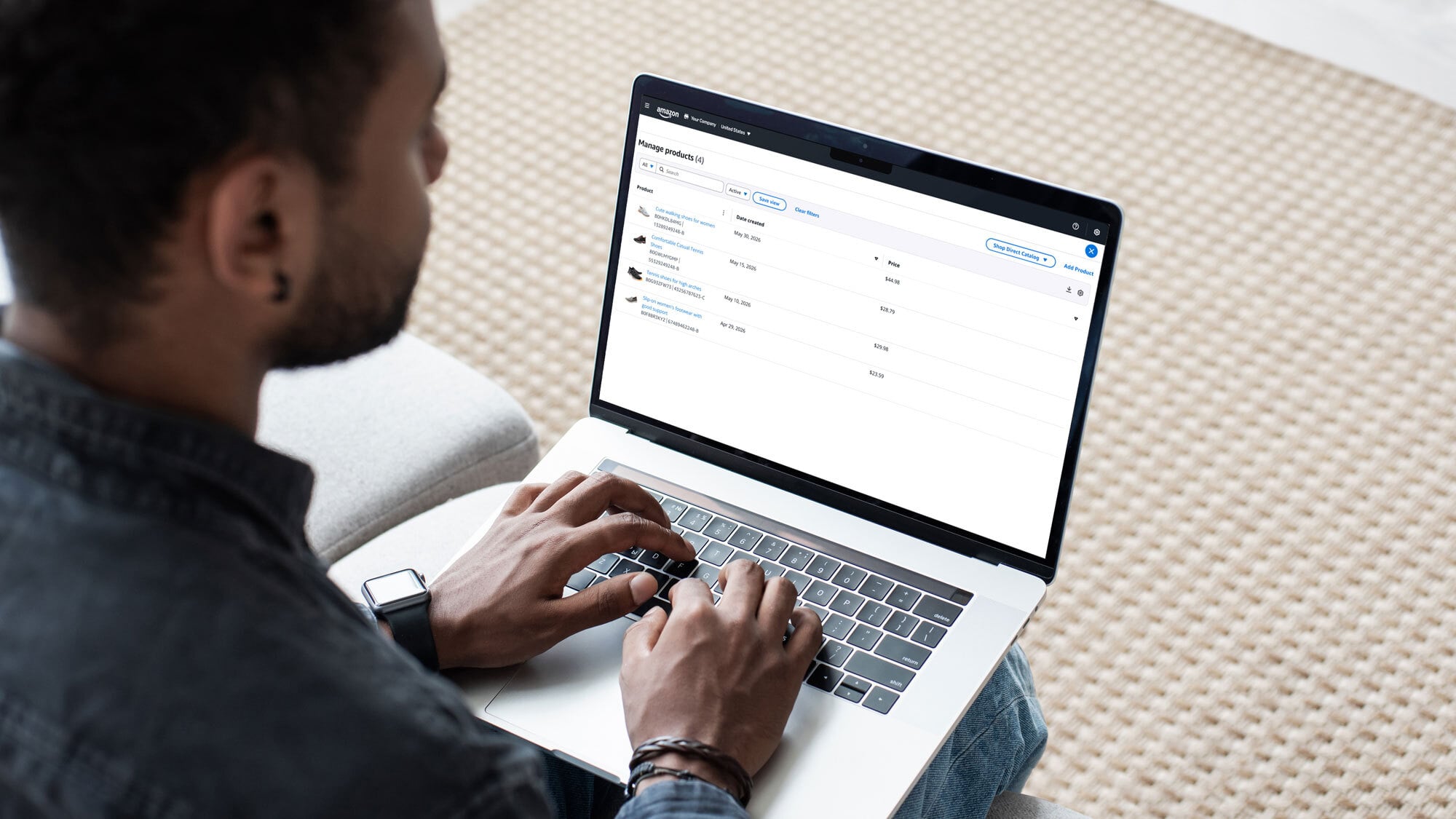
Amazon’s existing Shop Direct Merchant Workspace, announced on November 4, gives eligible merchants a free way to submit catalogs and manage which products appear. It supports feeds from providers including Feedonomics, Salsify, CEDCommerce and VersaFeed.
Shop Direct is available to US shoppers across Amazon’s website, app and Alexa for Shopping. The Shop Direct button sends you to the merchant’s site. On eligible products, Buy for Me can complete the purchase on your behalf.
Merchants can select their products and opt out. They continue to handle pricing, inventory, fulfillment and support.
Google’s cart keeps your shopping list together across Search and Gemini
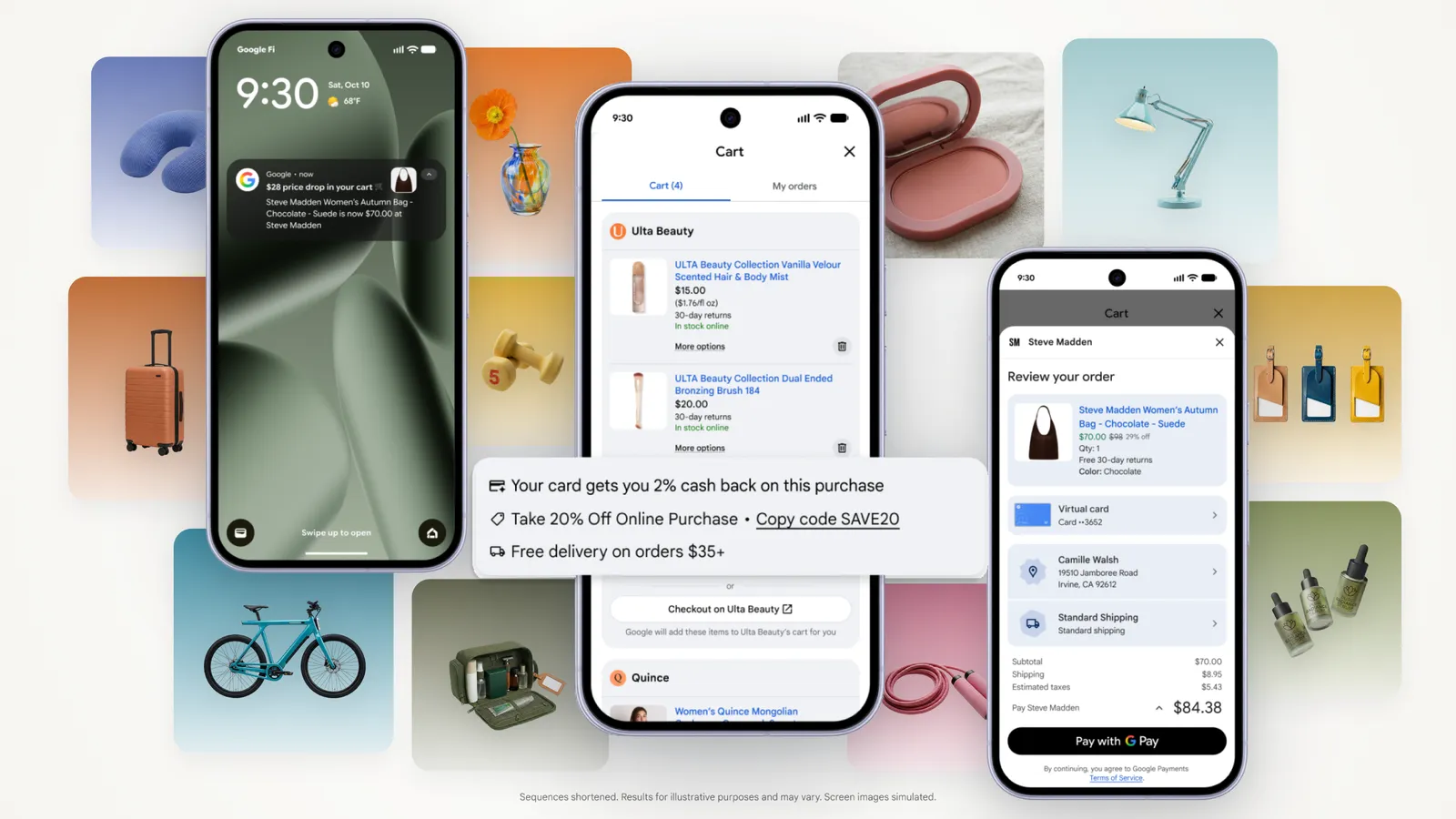
Google says its Shopping Graph contains more than 60 billion product listings. That database powers Universal Cart, which launched in the US on October 15, with price and restock alerts across Search and Gemini.
As SEW covered in its report on Google’s Universal Cart rollout, you can collect products from different stores and check out through supported merchants or continue on the retailer’s website.
If you sell online, a wrong model number or outdated stock status in your catalog can mislead shoppers before they reach your store. Check those details wherever you share product information.
Measure those journeys by completed orders as well as referral clicks. A shopping assistant can send fewer people to your website while still generating sales. Whether Amazon’s proposed database would produce that result remains untested.
Source: Reuters
Start the conversation by posting the first comment