


Ahrefs says Google is returning altered search results to suspected search-data collectors, with 5% to 20% of results affected depending on the provider.
In an October 22 update, the company said it is filtering out abnormal results, requesting replacements and cleaning up previously collected data.
Ahrefs calls the behavior “poisoning” and says it has increased over recent weeks. The announcement gives no sample size, provider names or detection methodology, so the percentage has to be read as the company’s reported experience.
Ahrefs does not say how much affected data reached customer reports before its filters caught it.
The statement follows earlier reports from Semrush and other rank trackers about misleading Google results reaching automated collectors. Ahrefs says it will communicate further developments through dashboard notifications.
Corrected results can change keyword estimates too
A search engine results page, or SERP, supplies more than a list of positions. Ahrefs’ documentation explains that refreshing one can also change Keyword Difficulty and Traffic Potential estimates.
That creates a reporting complication during the cleanup: a change in those estimates could reflect replacement data. Keep the collection date alongside exported figures when comparing reports produced before and after a correction.
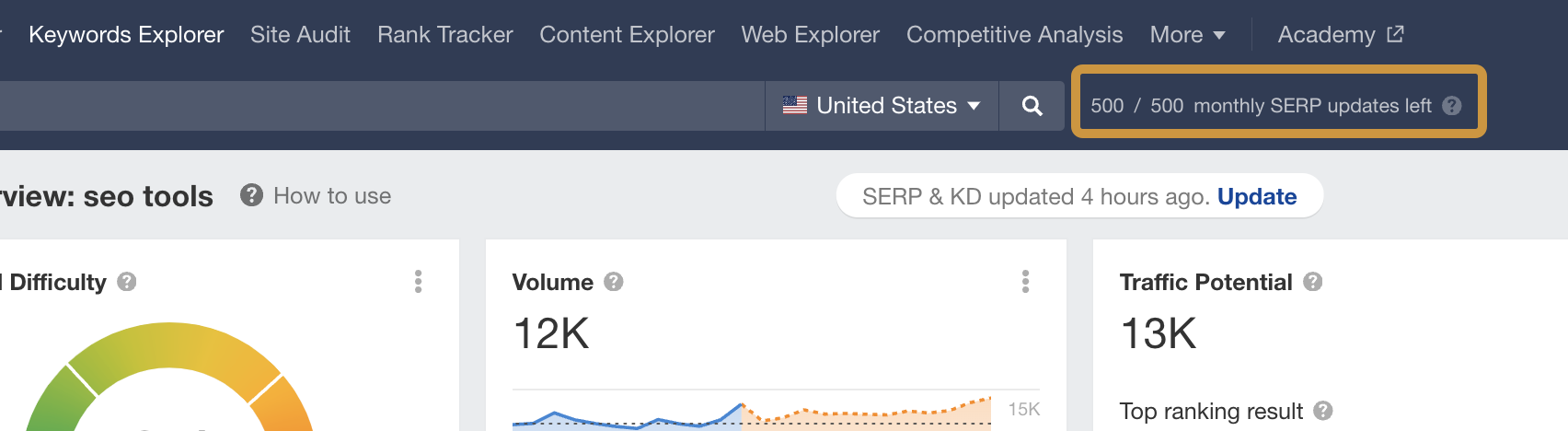
Ahrefs provides an Update control in Keywords Explorer for fetching a fresh SERP. Its announcement gives no completion date for the historical cleanup or a list of affected keywords.
Compare suspicious drops with search traffic
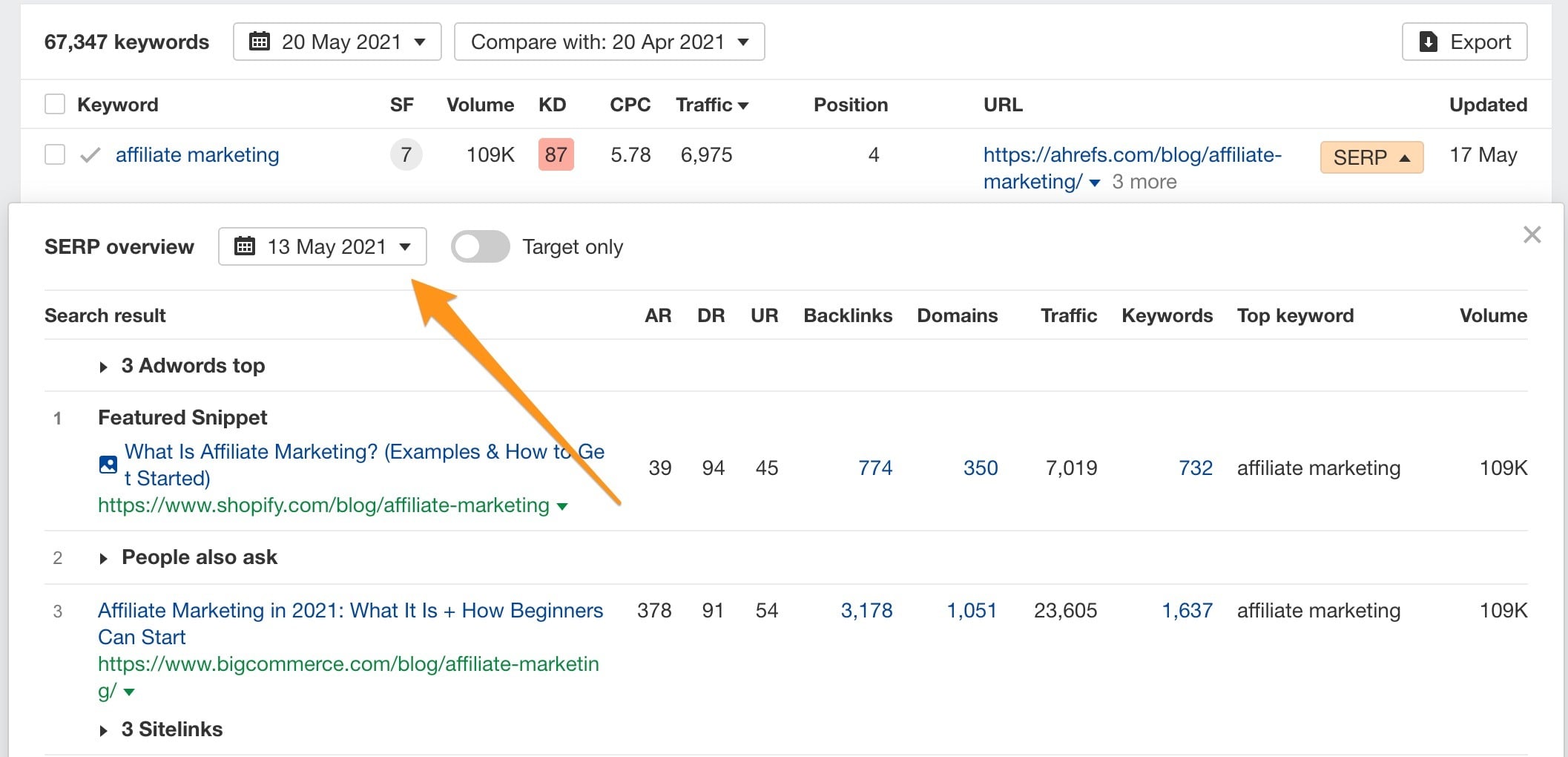
Start with the stored results behind a reported ranking change. In Site Explorer, open the keyword’s SERP table and use the date picker to compare earlier snapshots. The available history depends on the account’s plan.
Then compare the same query, country, device and period in Google Search Console’s Performance report. Clicks and impressions help establish whether the apparent ranking loss coincided with a change in search traffic or visibility.
Search Console’s position metric averages the topmost result from a site across impressions. It will therefore differ from a tracker’s single observation, even when both datasets are working normally.
Ahrefs also documents routine differences caused by collection timing, location and personalization. Give support the affected query, URL, country and timestamp so it can investigate the specific result.
Source: Ahrefs
Start the conversation by posting the first comment