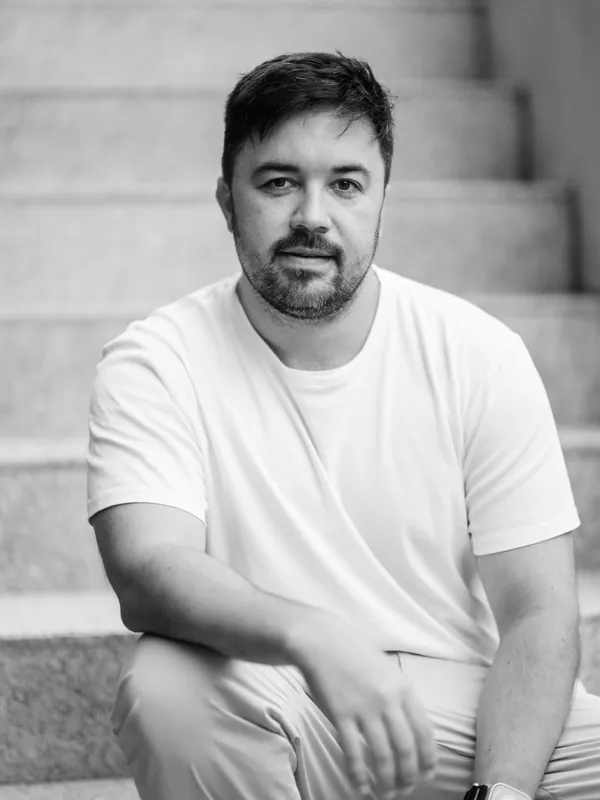
Publisher & Owner
Radu Tyrsina
Media entrepreneur leading Search Engine Watch’s new independent chapter.
“Build a future worthy of the history.”LinkedIn ↗


For thirty years, Search Engine Watch has helped practitioners understand how information gets found. Today we cover SEO, PPC and AI search with independent reporting, experience and no noise.
From web directories and ten blue links to AI answers and agentic discovery.
Search changes. We keep watch.
We did not begin by covering an established industry. We began while it was taking shape.
Search Engine Watch began as a practical investigation into why some pages appeared in early search engines and others did not. That work became A Webmaster’s Guide to Search Engines, and then Search Engine Watch in 1997.
The platforms have changed. The questions have not: what is visible, why, which changes matter, and what should practitioners do next?
What we cover today
Before SEO had a name, nobody could say why one site came first and another never showed up at all.
A client grumbled that his site could not be found in WebCrawler and wanted to know why. At the time, most web designers assumed you submitted a site and every page would eventually be listed. Ranking was a mystery; some said it was all about meta tags.
Changes were made to a site and its performance tracked in the major search engines. The result: the engines did not all work the same way, and some might not index a page at all. The study came with a chart of each engine’s features.
The study went online and was kept up to date, with a news summary, the Search Engine Report, sent to subscribers. Librarians, researchers and everyday searchers soon joined the webmasters reading it.
The guide grew into Search Engine Watch, grounded in the technical from day one.
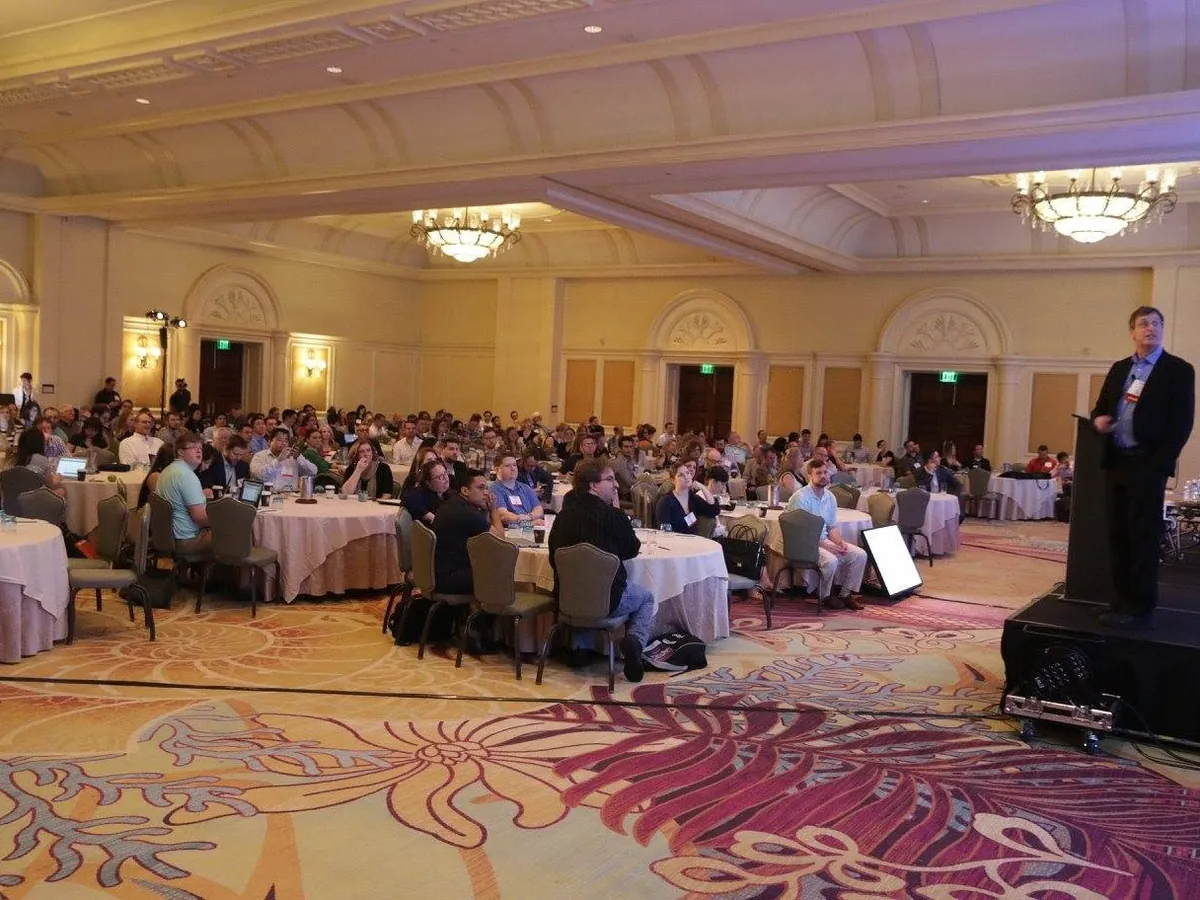
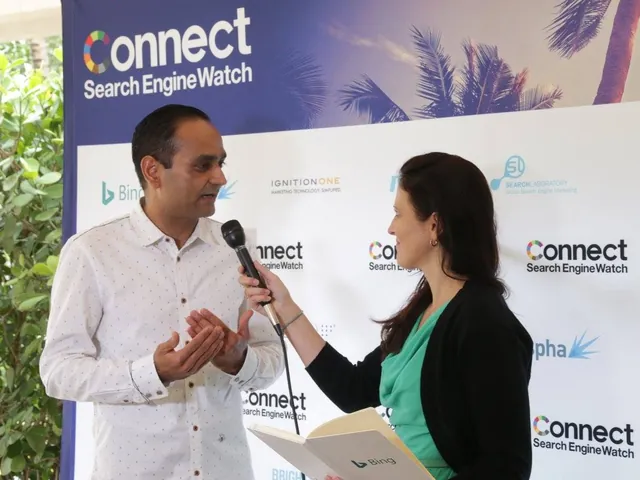
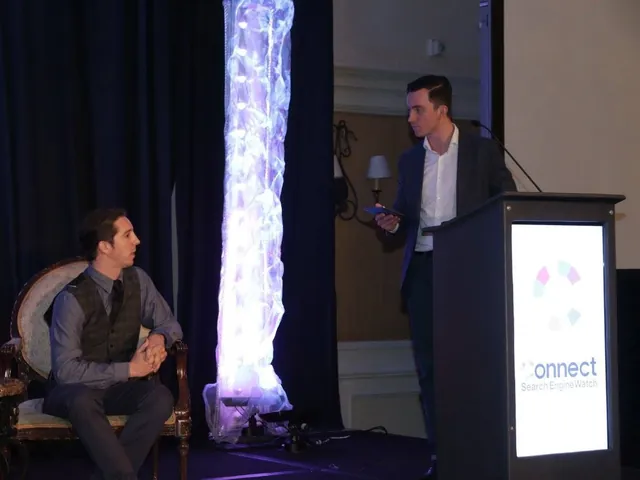
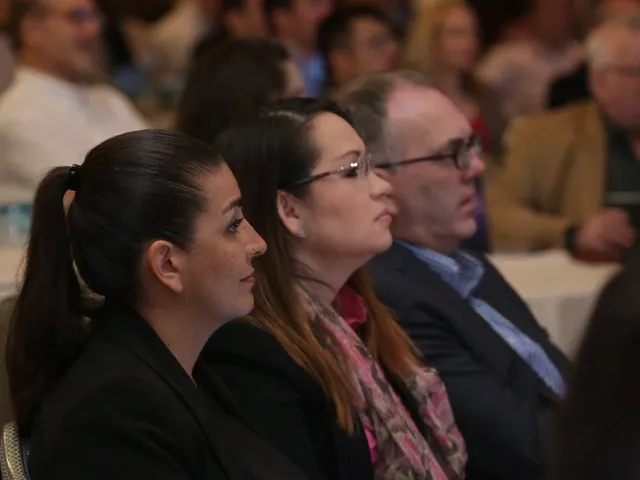
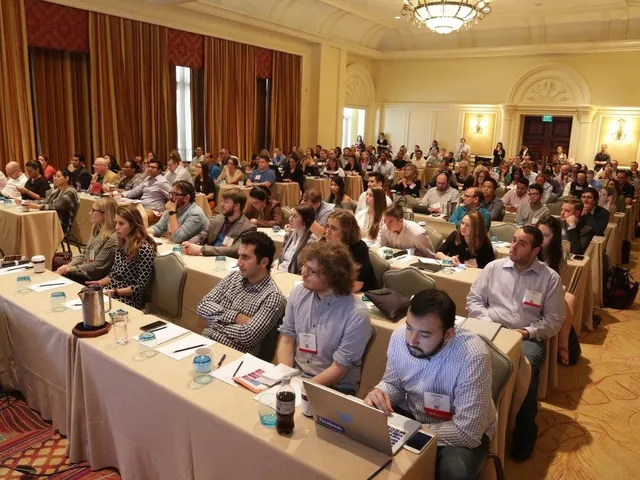
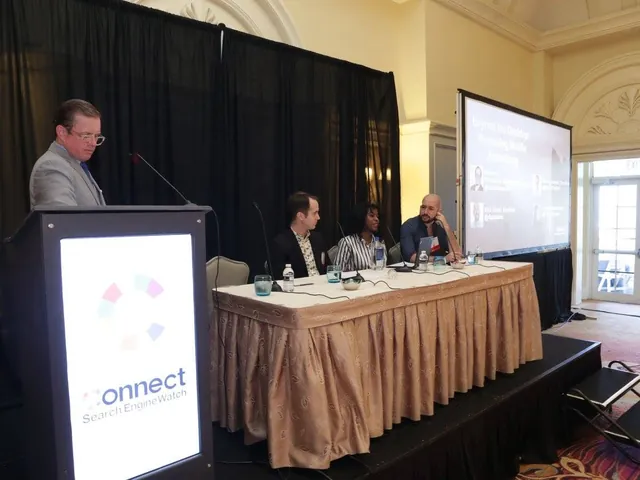
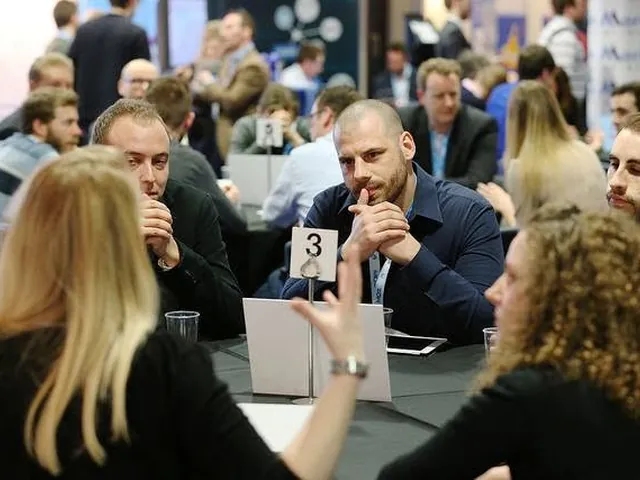
Search Engine Strategies (SES) brought the search industry together from 1999. SEW Connect grew out of it: practitioners comparing notes in person.

Media entrepreneur leading Search Engine Watch’s new independent chapter.
“Build a future worthy of the history.”LinkedIn ↗

Tracks new Google and Bing features, tests and outages in the results.
Profile ↗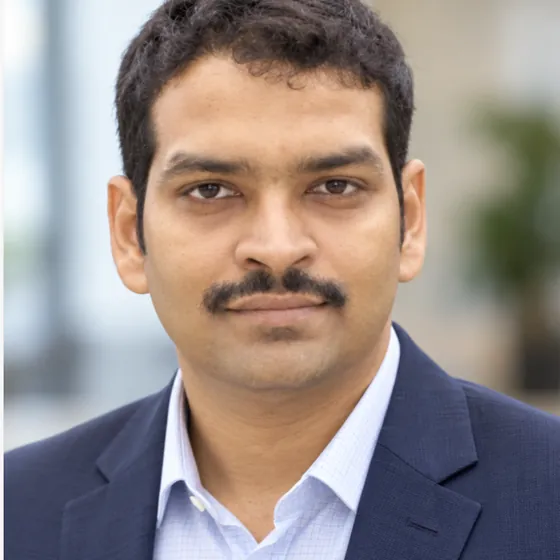
Covers Chrome, Google apps and AI Mode, and spots new features before they go public.
Profile ↗We separate what is known from what the evidence suggests, and say plainly what remains uncertain.
We value people who have managed campaigns, built products, analysed data and lived with the outcome.
Every piece should explain a change, help make a decision or make the reader better at the work.
Advertising funds independent publishing. It never buys a favourable editorial conclusion.
Substantive errors are corrected promptly, with a clear record of what changed and why.
Original reporting and sharp analysis on SEO, PPC and AI search. Watching since 1996.
Free. No noise. Unsubscribe whenever you like.
We use cookies to understand how our site is used and to improve it. Cookie policy