

Google has been diligently working on testing and rolling out new authorship features over the past several weeks. The newest additions give content creators the ability to claim authorship through a simple email verification process and offer more author information in search results – if they’re using Google+.
Also, Google News is also planning to include more information about journalists in coming weeks.
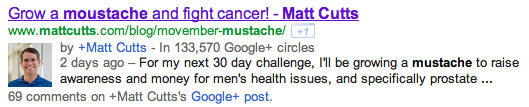
Once you claim authorship, your picture and Google+ information appear in search results. In addition to this basic information, searchers can see how many Circles you are in. Logged in users can click through to see comments on the piece, or instantly add you to Circles.
Claim Authorship with Verified Email – But What About rel=”author”?
The rel=”author” tag hasn’t been around all that long, but it seems the new email verification process of claiming authorship is intended to replace it. An updated Webmaster Tools Help article on claiming authorship offers two methods: adding your name and email to your content and verifying it, or linking your content to your Google Profile and vice versa.
A tip at the bottom says that you can still use the rel=”author” tag if you’re comfortable with HTML. However, when you click through to learn more about it, Google has placed a call-out box at the top of the Help article:

These recent updates are designed to help searches find quality, authoritative content, according to Google. Skeptics might say the actual purpose, or at the very least a nice byproduct for Google, is increased searcher exposure to Google+.
There’s a pretty healthy debate raging around their motivations for encrypting signed-in search data and the author results in SERPs, whether intended or not, do encourage users to sign in while searching to see more information. These enhanced results also require that the author has a Google+ profile.